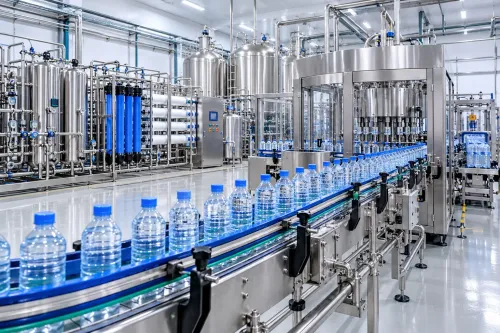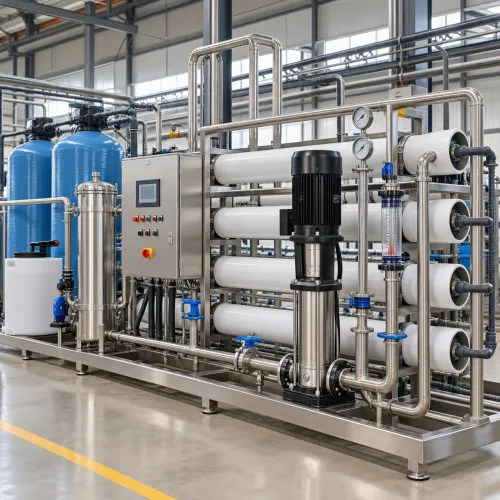
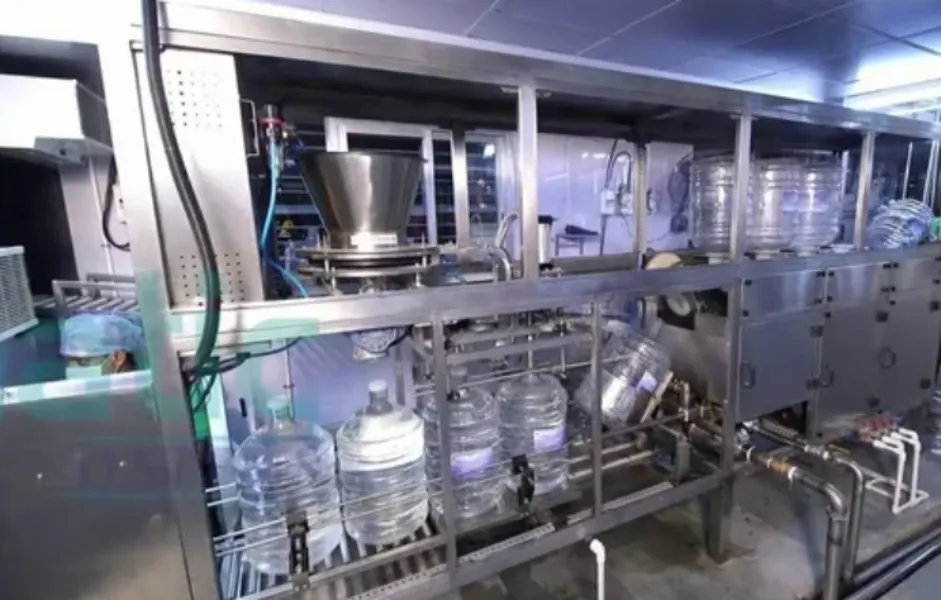
A cool jar water business can serve offices, shops, factories, events, institutions, and residential customers that need convenient supplies of treated drinking water. However, the project requires careful planning because water treatment, reusable jar hygiene, cooling, filling, storage, and distribution must operate together.
Before selecting a Cool Jar Plant Manufacturer in Nagpur, entrepreneurs should confirm that the proposed setup fits their expected daily orders and operating model.
Confirm the Source Water
Arrange a representative source-water analysis before finalising treatment equipment. The report helps determine whether the plant needs filtration, softening, reverse osmosis, disinfection, or additional treatment.
Ask the manufacturer to explain:
- Which parameters influence the design
- Expected treated-water quality
- Approximate recovery
- Reject-water generation
- Filter and membrane requirements
- Likely cleaning frequency
If the water source changes seasonally, the design should account for reasonable variation.
Estimate Practical Daily Demand
Avoid calculating capacity from an optimistic sales target alone. Separate confirmed institutional demand, expected retail orders, and seasonal peaks.
A practical estimate should include:
- Number of jars required per day
- Jar sizes
- Working hours
- Peak dispatch periods
- Cleaning and filling speed
- Cooling time
- Delivery-vehicle capacity
- Empty-jar return rate
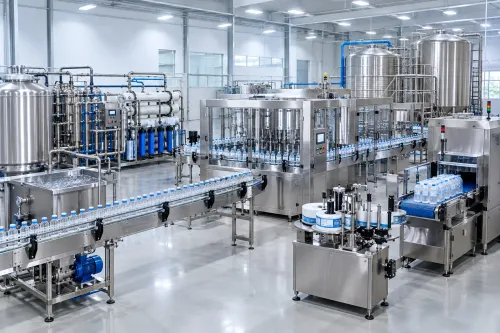
The plant should be balanced so that treatment, washing, filling, cooling, and dispatch do not restrict one another.
Review Jar-Washing Arrangements
Reusable containers require systematic cleaning and inspection before refilling. A quick external rinse is not an adequate hygiene process.
The proposed setup should provide a defined method for:
- Receiving returned jars
- Inspecting for damage or contamination
- Pre-rinsing
- Internal cleaning
- Final rinsing
- Filling
- Sealing
- Moving filled jars to clean storage
Heavily damaged, scratched, or unsuitable jars should be separated instead of returned to circulation.
Check Cooling and Storage Capacity
The cooling arrangement must match the quantity of chilled water required during peak demand. A plant may produce enough treated water but still face delays if cooling capacity or insulated storage is insufficient.
Nagpur’s warm climate makes heat gain an important consideration. Review insulation, tank placement, pipeline length, ventilation around refrigeration equipment, and the temperature expected at dispatch.
Verify the Equipment Scope
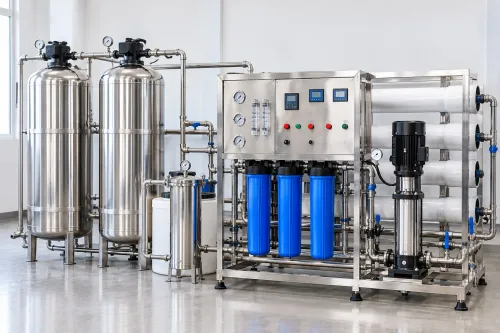
A quotation may or may not include all tanks, pumps, washing equipment, filling units, piping, controls, and cooling components. Request an itemised scope showing:
- Water-treatment stages
- Raw and treated-water tanks
- Jar-washing system
- Filling and capping arrangement
- Cooling unit
- Transfer pumps
- Control panel
- Installation materials
- Commissioning
- Operator training
This makes different proposals easier to compare.
Assess the Site Before Ordering
The site should provide hygienic workflow, drainage, electrical capacity, ventilation, storage, and access for delivery vehicles. Clean jars and filled products should be protected from areas where returned containers are unloaded.
Orenus Water Age Technology assists entrepreneurs and commercial buyers in Nagpur with water-treatment and plant configurations based on source water, output goals, and installation conditions.
Plan Maintenance From the Beginning
Ask who will perform routine checks, replace filters, clean tanks, inspect the chiller, and record water-quality readings. The business should have schedules rather than depend on memory.
A successful cool jar plant requires more than machinery. It needs a realistic demand plan, reliable hygiene procedures, balanced equipment, and an organised distribution process. Buyers who verify these areas before ordering are better prepared to move from installation to stable commercial operation.
Keywords